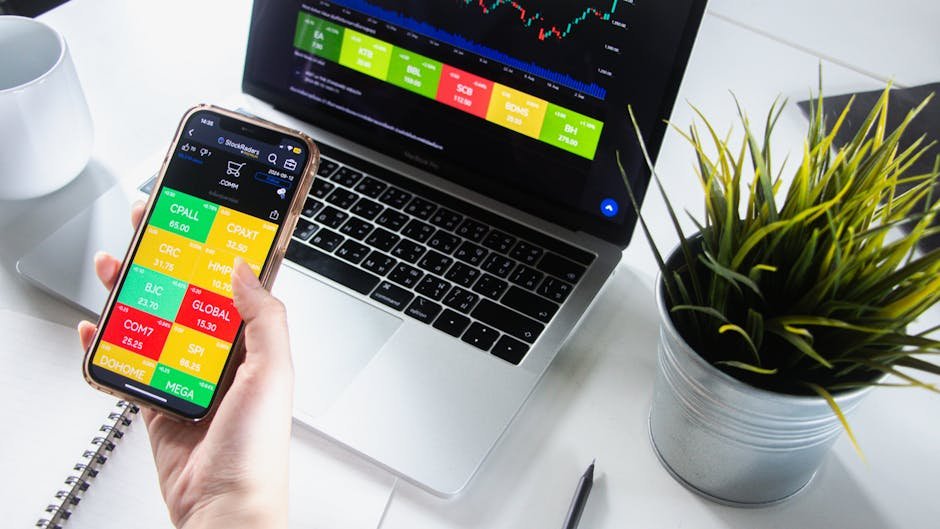
Automated Investment Tracking for Freelancers: A Comprehensive Guide
Freelancing offers unparalleled freedom and flexibility, but it also demands meticulous financial management. Unlike employees with employer-sponsored retirement plans and automatic tax withholdings, freelancers are responsible for every aspect of their financial lives, including investing and tracking those investments. This responsibility can quickly become overwhelming without a robust, automated system. This article delves into the importance of automated investment tracking for freelancers, exploring available tools, strategies, and best practices to ensure financial security and growth.
The Unique Challenges of Freelancer Investment Tracking
Freelancers face unique challenges that make automated investment tracking essential. These challenges include:
- Irregular Income: Fluctuations in income make consistent investing difficult. Automated systems can help strategize contributions even with varying cash flow.
- Self-Employment Taxes: Managing estimated taxes quarterly is crucial, and understanding how investments impact taxable income is vital. Automated tools can provide tax-optimized investment insights.
- Lack of Employer Benefits: Without traditional benefits like 401(k)s, freelancers must actively create their own retirement plans. Automated tracking provides a holistic view of progress towards financial goals.
- Time Constraints: Juggling client work, marketing, and administrative tasks leaves little time for manual investment tracking. Automation frees up valuable time for revenue-generating activities.
- Multiple Income Streams: Many freelancers derive income from diverse sources, making it challenging to consolidate financial data. Automated systems can aggregate information from various accounts.
Why Automate Investment Tracking?
Automation offers numerous benefits for freelancers striving for financial success:
- Accuracy: Manual data entry is prone to errors. Automated systems eliminate this risk, providing accurate and up-to-date investment information.
- Time Savings: Automating tracking frees up significant time that can be better spent on client work or other income-generating activities.
- Improved Decision-Making: Access to real-time data allows for informed investment decisions, leading to better financial outcomes.
- Tax Optimization: Many automated platforms offer tax-loss harvesting and other features that can minimize tax liabilities.
- Goal Setting and Monitoring: Automated tools facilitate the setting of financial goals and track progress towards them, providing motivation and accountability.
- Comprehensive View: Aggregating data from multiple accounts provides a complete picture of financial health.
- Reduced Stress: Knowing that investments are being tracked accurately and efficiently reduces financial anxiety.
Tools and Platforms for Automated Investment Tracking
Several tools and platforms cater to the needs of freelancers seeking automated investment tracking. These platforms vary in features, pricing, and complexity:
-
Personal Capital (Empower): A comprehensive financial dashboard that aggregates data from bank accounts, investment accounts, and credit cards. Offers free net worth tracking, budgeting tools, and investment fee analysis. Paid advisory services are available.
- Strengths: Robust aggregation capabilities, detailed investment analysis, free version available.
- Weaknesses: Sales pitches for paid advisory services can be intrusive.
-
Mint: A free budgeting and financial tracking app that can link to investment accounts. Provides a simple overview of net worth and spending habits.
- Strengths: Free, user-friendly interface, bill payment reminders.
- Weaknesses: Limited investment analysis capabilities, less focused on investment tracking compared to other platforms.
-
Tiller Money: A spreadsheet-based solution that automatically pulls financial data from linked accounts into Google Sheets or Excel. Offers customization and flexibility.
- Strengths: Highly customizable, integrates with Google Sheets/Excel, offers greater control over data.
- Weaknesses: Requires some spreadsheet knowledge, not as visually appealing as other platforms.
-
SigFig: An automated investment management platform that also offers free portfolio tracking. Provides investment advice and automated portfolio rebalancing.
- Strengths: Free portfolio tracking, automated investment management options, tax-loss harvesting.
- Weaknesses: Investment management services come with fees.
-
Schwab Intelligent Portfolios: A robo-advisor platform that offers automated investment management and portfolio tracking.
- Strengths: Managed portfolios, tax-loss harvesting, access to Schwab’s customer service.
- Weaknesses: Requires opening a Schwab account, investment management fees apply to some portfolios.
-
Betterment: Another popular robo-advisor that provides automated investment management, financial planning tools, and portfolio tracking.
- Strengths: User-friendly interface, goal-based investing, tax-loss harvesting.
- Weaknesses: Investment management fees apply.
-
Quicken: A desktop-based personal finance software that allows for detailed tracking of income, expenses, and investments.
- Strengths: Comprehensive features, customizable reports, long-standing reputation.
- Weaknesses: Requires software purchase, less mobile-friendly than cloud-based solutions.
-
Investment Platforms (e.g., Fidelity, Vanguard, Robinhood): Most major investment platforms offer built-in portfolio tracking tools, allowing users to monitor their investments directly within the platform.
- Strengths: Convenient, real-time updates, direct access to investment accounts.
- Weaknesses: Limited to investments held within that specific platform, may not provide a comprehensive view of overall finances.
Key Features to Look For in an Automated Investment Tracking Tool
When selecting an automated investment tracking tool, consider the following features:
- Account Aggregation: The ability to link to multiple bank accounts, investment accounts, and credit cards.
- Portfolio Performance Tracking: Real-time tracking of portfolio performance, including gains, losses, and returns.
- Asset Allocation Analysis: Insight into asset allocation, helping to ensure diversification and alignment with risk tolerance.
- Fee Analysis: Identification of hidden fees that can erode investment returns.
- Tax Optimization Features: Tax-loss harvesting, tax-efficient asset placement, and tax reporting.
- Goal Setting and Monitoring: Ability to set financial goals (e.g., retirement, down payment) and track progress towards them.
- Reporting and Analytics: Customizable reports and visualizations that provide insights into financial performance.
- Security: Strong security measures to protect sensitive financial data.
- User-Friendliness: An intuitive and easy-to-navigate interface.
- Mobile Accessibility: Access to the platform from mobile devices.
- Customer Support: Reliable customer support in case of technical issues or questions.
Strategies for Effective Automated Investment Tracking
To maximize the benefits of automated investment tracking, freelancers should adopt the following strategies:
- Connect All Relevant Accounts: Link all bank accounts, investment accounts, credit cards, and loan accounts to the chosen platform for a complete financial picture.
- Categorize Transactions Accurately: Ensure that transactions are categorized correctly to track spending habits and identify areas for improvement.
- Set Realistic Financial Goals: Define specific, measurable, achievable, relevant, and time-bound (SMART) financial goals.
- Regularly Review Portfolio Performance: Monitor portfolio performance regularly to identify areas for adjustment and ensure alignment with financial goals.
- Rebalance Portfolio Periodically: Rebalance the portfolio periodically to maintain the desired asset allocation and manage risk.
- Utilize Tax Optimization Features: Take advantage of tax-loss harvesting and other tax optimization features to minimize tax liabilities.
- Consult with a Financial Advisor: Consider consulting with a financial advisor for personalized investment advice and guidance.
- Automate Contributions: Set up automatic contributions to investment accounts to ensure consistent investing.
- Regularly Update and Maintain the System: Keep the system updated with current information and address any errors or discrepancies promptly.
- Monitor Security and Privacy: Regularly review security settings and privacy policies to protect financial data.
Best Practices for Freelancer Investing
Beyond automated tracking, freelancers should adhere to these investing best practices:
- Pay Yourself First: Prioritize saving and investing by automating contributions to retirement accounts before paying other expenses.
- Establish an Emergency Fund: Build an emergency fund to cover unexpected expenses and reduce the need to tap into investments.
- Diversify Investments: Diversify investments across different asset classes to reduce risk.
- Consider a Solo 401(k) or SEP IRA: These retirement plans offer tax advantages and higher contribution limits than traditional IRAs.
- Invest in Low-Cost Index Funds or ETFs: These investments offer broad market exposure at a low cost.
- Reinvest Dividends and Capital Gains: Reinvesting dividends and capital gains can accelerate investment growth.
- Stay Informed About Market Trends: Stay informed about market trends and economic developments, but avoid making impulsive investment decisions based on short-term fluctuations.
- Avoid Emotional Investing: Make investment decisions based on logic and analysis, rather than emotions.
- Seek Professional Advice: Consult with a qualified financial advisor for personalized guidance and support.
- Review and Adjust as Needed: Regularly review investment strategy and make adjustments as needed based on changing circumstances and financial goals.
By implementing these strategies and utilizing automated investment tracking tools, freelancers can gain control of their finances, build a secure financial future, and enjoy the freedom and flexibility that freelancing offers. Automated investment tracking is not just a convenience; it’s a necessity for freelancers striving for long-term financial success and peace of mind.